The Schengen Area, Schengen visa and the ETIAS
Concepts that are important when travelling to Spain and Europe. We break them down and explain them to ensure they're clear to you.

8 mins
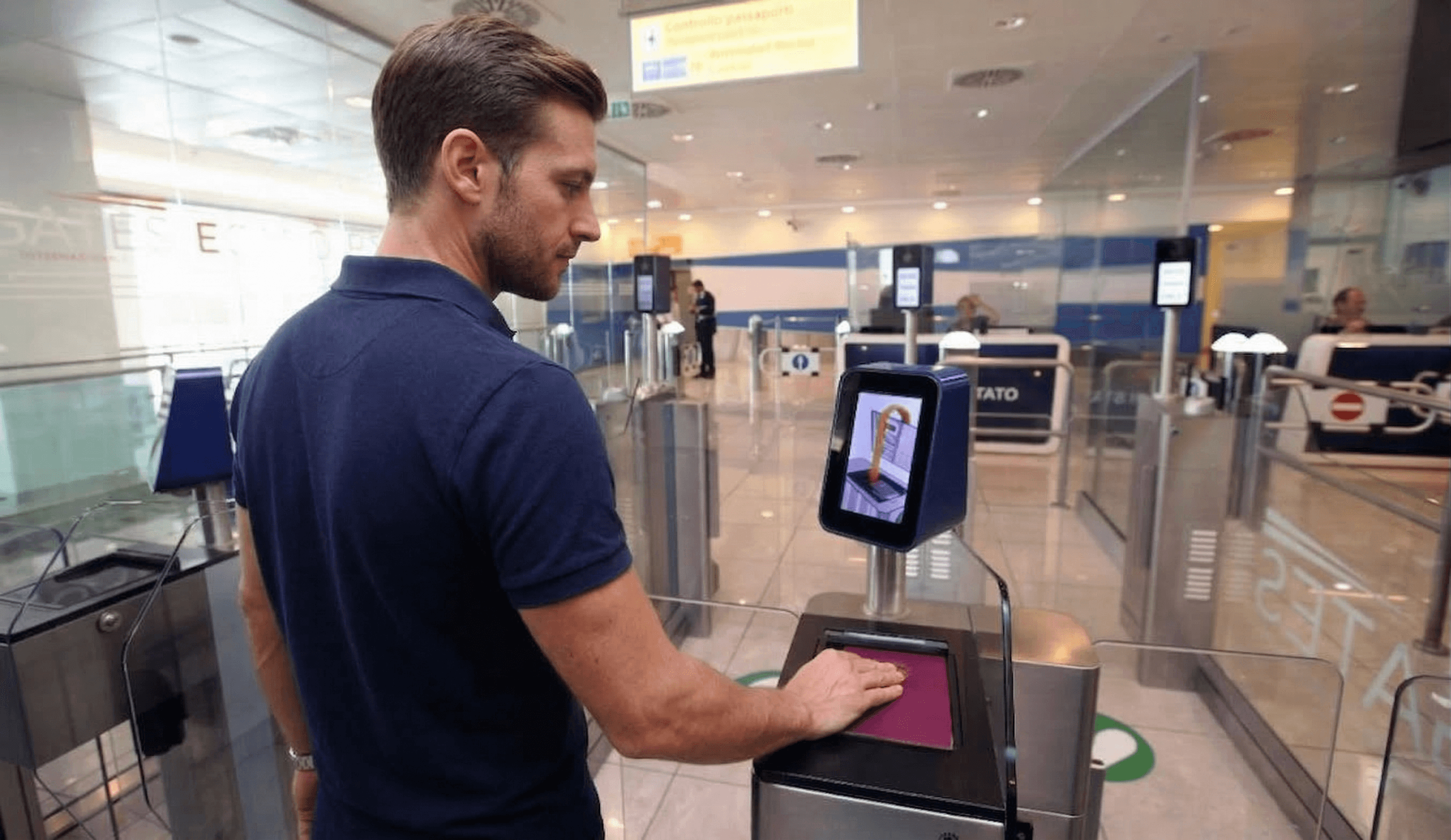
In the field of immigration, the "Schengen Area" and "Schengen Visa" are constantly mentioned, but few understand exactly what they entail or which countries comprise them. Furthermore, from the end of 2026, ETIAS will come into force, a fundamental regulatory change for those who currently travel visa-free.
🛂 Schengen Area
🐣 The Origins of Schengen
The Schengen Area began as a project between five EU countries (France, Germany, Belgium, the Netherlands, and Luxembourg) and has grown to become the largest free movement area in the world.
Its name comes from Schengen, which is the name of a small village in Luxembourg located on the border between Germany and France, which lends its name to the Schengen Agreement of 1985 and the Schengen Convention of 1990, laying the foundations for the current Schengen Area we are analysing today.
📚 What Are the Main Schengen Rules?
📙 SCHENGEN BORDERS CODE - Regulation (EU) 2016/399: It is the reference framework that establishes the rules for crossing external borders and the absence of controls at internal borders.
📘 VISA CODE - Regulation (EC) 810/2009: It details the procedures and conditions for issuing short-stay visas (up to 90 days).
📗 LIST OF COUNTRIES - Regulation 2018/1806: It sets out in detail which countries are required to have a visa and which are exempt from this requirement.
📋 What Does It Mean To Be Part Of The Schengen Area?
1️⃣ Objective
To create a free movement zone and a single external border in accordance with identical procedures.
2️⃣ Fundamental Pillars
Internal borders: The rules are set out aimed at ensuring the absence of controls on crossing internal borders, both for Union citizens and for nationals of third countries.
Unified external border criteria: The conditions for the entry of non-EU citizens applying for entry through a border crossing point are regulated, regardless of which country they enter the Schengen Area from.
5️⃣ General Principles Of The Schengen Borders Code
Level of uniform control throughout the Schengen Area.
Removal of document controls at internal borders.
Establish deterrent measures of entry; coordinate rapid intervention teams by the European Border Agency (FRONTEX).
Ensure the protection and respect of human rights and personal dignity.
Prioritise security and the creation of databases.
4️⃣ Measures To Achieve The Objectives
Police cooperation, establishing a level of uniform entry control throughout the Schengen Area.
Common visa policy, establishing a single document for the rules and modalities for crossing and border checks. Manual of best practices for common management.
Ensure the free movement of nationals of the member states.
Ensure a space of freedom, security, and justice within through integrated management of the EU's external borders.
🫱🏼🫲🏾 Which Countries Are Part Of The Schengen Area?
According to the European Council and the Council of the European Union, the member countries of the Schengen Area are:
25 EU countries: 🇩🇪 Germany, 🇦🇹 Austria, 🇧🇪 Belgium, 🇧🇬 Bulgaria, HR Croatia, 🇩🇰 Denmark, 🇸🇮 Slovenia, 🇪🇸 Spain, 🇪🇪 Estonia, 🇫🇮 Finland, 🇫🇷 France, 🇬🇷 Greece, 🇭🇺 Hungary, 🇮🇹 Italy, 🇱🇻 Latvia, 🇱🇹 Lithuania, 🇱🇺 Luxembourg, 🇲🇹 Malta, 🇳🇱 Netherlands, 🇵🇱 Poland, 🇵🇹 Portugal, 🇨🇿 Czech Republic, 🇸🇰 Slovakia, 🇷🇴 Romania, and 🇸🇪 Sweden.
All members of the European Free Trade Association:🇮🇸 Iceland, 🇱🇮 Liechtenstein, 🇳🇴 Norway, and 🇨🇭 Switzerland.
There are two notable exceptions to bear in mind, 🇮🇪 Ireland and 🇨🇾 Cyprus, which for historical reasons, being countries located on politically divided islands, effective control of external borders is difficult. These two countries have their own border policies and there is no free movement between them and the rest of the Schengen Area member countries.
The last to join the area were Bulgaria and Romania. They have been fully integrated into the Schengen Area since the 1st of January, 2025.
🧠 Fun Facts About The Schengen Area
+450 million people can travel freely between the member countries without going through border checks.
Every day around 3.5 million people cross internal borders to work, study, or visit family and friends.
Almost 1.7 million people reside in one Schengen country and work in another.
Approximately, Europeans make a total of 1.250 billion trips each year within the Schengen Area.
🗺️ The Schengen Visa
👥 Who Does It Apply To?
As of the publication date of this blog, these are the current scenarios. Nonetheless, it is important to review specific requirements for citizens of your country as there are many exceptions and additional conditions, sometimes favourable to the traveller, due to bilateral treaties.
Countries Whose Nationals Require A Visa - Annex I
🇦🇫 Afghanistan, 🇦🇴 Angola, 🇸🇦 Saudi Arabia, 🇩🇿 Algeria, 🇦🇲 Armenia, 🇦🇿 Azerbaijan, 🇧🇭 Bahrain, 🇧🇩 Bangladesh, 🇧🇿 Belize, 🇧🇯 Benin, 🇧🇾 Belarus, 🇧🇴 Bolivia, 🇧🇼 Botswana, 🇧🇫 Burkina Faso, 🇧🇮 Burundi, 🇧🇹 Bhutan, 🇨🇻 Cape Verde, 🇰🇭 Cambodia, 🇨🇲 Cameroon, 🇹🇩 Chad, 🇨🇳 China, 🇰🇲 Comoros, 🇨🇬 Congo, 🇰🇵 North Korea, 🇨🇮 Ivory Coast, 🇨🇺 Cuba, 🇪🇨 Ecuador, 🇪🇬 Egypt, 🇪🇷 Eritrea, 🇸🇿 Eswatini (Swaziland), 🇪🇹 Ethiopia, 🇵🇭 Philippines, 🇫🇯 Fiji, 🇬🇦 Gabon, 🇬🇲 Gambia, 🇬🇭 Ghana, 🇬🇳 Guinea, 🇬🇶 Equatorial Guinea, 🇬🇼 Guinea-Bissau, 🇬🇾 Guyana, 🇭🇹 Haiti, 🇮🇳 India, 🇮🇩 Indonesia, 🇮🇶 Iraq, 🇮🇷 Iran, 🇯🇲 Jamaica, 🇯🇴 Jordan, 🇰🇿 Kazakhstan, 🇰🇪 Kenya, 🇰🇬 Kyrgyzstan, 🇰🇼 Kuwait, 🇱🇦 Laos, 🇱🇸 Lesotho, 🇱🇧 Lebanon, 🇱🇷 Liberia, 🇱🇾 Libya, 🇲🇬 Madagascar, 🇲🇼 Malawi, 🇲🇻 Maldives, 🇲🇱 Mali, 🇲🇦 Morocco, 🇲🇷 Mauritania, 🇲🇳 Mongolia, 🇲🇿 Mozambique, 🇲🇲 Myanmar (Burma), 🇳🇦 Namibia, 🇳🇵 Nepal, 🇳🇪 Niger, 🇳🇬 Nigeria, 🇴🇲 Oman, 🇵🇰 Pakistan, 🇵🇬 Papua New Guinea, 🇶🇦 Qatar, 🇨🇫 Central African Republic, 🇨🇩 Democratic Republic of Congo, 🇩🇴 Dominican Republic, 🇷🇼 Rwanda, 🇷🇺 Russia, 🇸🇹 Sao Tome and Principe, 🇸🇳 Senegal, 🇸🇱 Sierra Leone, 🇸🇾 Syria, 🇸🇴 Somalia, 🇱🇰 Sri Lanka, 🇿🇦 South Africa, 🇸🇩 Sudan, 🇸🇸 South Sudan, 🇸🇷 Suriname, 🇹🇭 Thailand, 🇹🇯 Tajikistan, 🇹🇿 Tanzania, 🇹🇬 Togo, 🇹🇳 Tunisia, 🇹🇲 Turkmenistan, 🇹🇷 Turkey, 🇺🇬 Uganda, 🇺🇿 Uzbekistan, 🇻🇺 Vanuatu, 🇻🇳 Vietnam, 🇾🇪 Yemen, 🇩🇯 Djibouti, 🇿🇲 Zambia, and 🇿🇼 Zimbabwe.
Visas are also required for citizens of the 🇵🇸 Palestinian Authority and holders of passports issued by territorial entities not recognised by at least one member state (such as 🇹🇼 Taiwan, if the passport lacks an identity number, or Northern Cyprus).
Countries Whose Nationals Require A Visa For Airport Transit
🇦🇫 Afghanistan, 🇧🇩 Bangladesh, 🇪🇷 Eritrea, 🇪🇹 Ethiopia, 🇬🇭 Ghana, 🇮🇶 Iraq, 🇮🇷 Iran, 🇳🇬 Nigeria, 🇵🇰 Pakistan, 🇨🇩 Democratic Republic of Congo, 🇸🇴 Somalia, 🇱🇰 Sri Lanka
This is the EU's common list. Some individual countries within the Schengen Area may require airport transit visas from nationals of additional countries unilaterally (for instance, Spain requires it from citizens of 🇧🇫 Burkina Faso, 🇨🇲 Cameroon, 🇹🇩 Chad, 🇨🇮 Ivory Coast, 🇨🇺 Cuba, 🇩🇯 Djibouti, 🇪🇬 Egypt, 🇬🇲 Gambia, 🇬🇳 Guinea, 🇬🇼 Guinea-Bissau, 🇭🇹 Haiti, 🇰🇪 Kenya, 🇱🇷 Liberia, 🇲🇱 Mali, 🇲🇷 Mauritania, 🇳🇵 Nepal, 🇵🇸 Palestine, 🇨🇫 Central African Republic, 🇨🇬 Republic of the Congo, 🇷🇺 Russia, 🇸🇳 Senegal, 🇸🇱 Sierra Leone, 🇸🇾 Syria, 🇸🇩 Sudan, 🇹🇯 Tajikistan, 🇹🇬 Togo, 🇹🇷 Turkey, 🇺🇿 Uzbekistan, and 🇾🇪 Yemen).
Countries Whose Nationals Do Not Require A Visa - Annex II
🇦🇱 Albania, 🇦🇩 Andorra, 🇦🇬 Antigua and Barbuda, 🇦🇷 Argentina, 🇦🇺 Australia, 🇧🇸 Bahamas, 🇧🇧 Barbados, 🇧🇦 Bosnia and Herzegovina, 🇧🇷 Brazil, 🇧🇳 Brunei, 🇨🇦 Canada, 🇨🇱 Chile, 🇨🇴 Colombia, 🇰🇷 South Korea, 🇨🇷 Costa Rica, 🇩🇲 Dominica, 🇸🇻 El Salvador, 🇦🇪 United Arab Emirates, 🇺🇸 United States, 🇬🇪 Georgia, 🇬🇩 Grenada, 🇬🇹 Guatemala, 🇭🇳 Honduras, 🇭🇰 Hong Kong (SAR), 🇲🇭 Marshall Islands, 🇸🇧 Solomon Islands, 🇮🇱 Israel, 🇯🇵 Japan, 🇰🇮 Kiribati, 🇽🇰 Kosovo, 🇲🇴 Macao (SAR), 🇲🇰 North Macedonia, 🇲🇾 Malaysia, 🇲🇺 Mauritius, 🇲🇽 Mexico, 🇫🇲 Micronesia, 🇲🇩 Moldova, 🇲🇨 Monaco, 🇲🇪 Montenegro, 🇳🇷 Nauru, 🇳🇮 Nicaragua, 🇳🇿 New Zealand, 🇵🇼 Palau, 🇵🇦 Panama, 🇵🇾 Paraguay, 🇵🇪 Peru, 🇬🇧 United Kingdom, 🇼🇸 Samoa, 🇰🇳 Saint Kitts and Nevis, 🇸🇲 San Marino, 🇻🇨 Saint Vincent and the Grenadines, 🇱🇨 Saint Lucia, 🇷🇸 Serbia, 🇸🇨 Seychelles, 🇸🇬 Singapore, 🇹🇼 Taiwan (only passports that include an ID number), 🇹🇱 Timor-Leste, 🇹🇴 Tonga, 🇹🇹 Trinidad and Tobago, 🇹🇻 Tuvalu, 🇺🇦 Ukraine, 🇺🇾 Uruguay, 🇻🇦 Vatican (Holy See), and 🇻🇪 Venezuela.
Real-life scenario anecdote: A newlywed couple flew to Barcelona to board a Mediterranean cruise; he was a US citizen (visa-exempt Schengen country - Annex II), and she had Indian nationality (country required Schengen visa - Annex I) and, additionally, she held a "green card" (US permanent residence permit). Upon arrival at passport control at El Prat Airport, she assumed that, being a legal US resident and travelling with her American husband, she would not need a visa. However, the National Police denied her entry into the Schengen Area, as per the Schengen Borders Code, she was an Indian citizen requiring a visa according to Annex I. It is always important to consider the traveller's nationality, regardless of who they are married to or which country they legally reside in.
✔️ What Are The Visa Requirements And Documents Needed?
The documentation requested for the issuance of the Schengen visa is:
Forms: 2 completed and signed application forms. Here is the template for the Schengen visa application.
Photographs: 2 recent photos (colour, white background, size 3x4 cm).
Passport: Original and photocopy (data, previous visas, and stamps). A minimum validity of 3 months beyond the anticipated exit.
ID documents and family book: Original and photocopy.
Medical insurance: Health insurance policy covering the entire expected stay period, valid for the entire Schengen Area, with a minimum coverage of €30,000. It must cover urgent medical assistance or emergency hospitalisation, as well as repatriation for medical reasons or death.
Accommodation: Hotel reservation or invitation letter.
Transportation: Round-trip ticket reservation for the requested period.
Economic means: 10% of the minimum wage per day of stay in Spain (the exact amount varies according to the country of entry).
Consular fee: €90 (general rule), €45 (6-12 years old), €0 (under 6).
Among others, depending on specific scenarios.
💡 Recommendation: The requirements can vary slightly depending on the consular office. Before preparing your application, always check the "visa" section on the official website of the Spanish Consulate that corresponds to you.
⚙️ What Characteristics Does The Visa Have?
A Schengen visa can be requested for any of these reasons:
Tourism
Business
Family visits
The visa is granted for a maximum period of 90 days within a 180-day period. This means you can enter and exit the Schengen territory and stay up to a total of 90 days within a 180-day period. It is important to note that the Schengen visa is a tourist visa, so it does not allow you to work or reside.
It must be applied for at the Spanish consulate in your country of origin or residence, or the consular demarcation if your country does not have one. Currently, the standard fee for a short-stay Schengen visa (type C) is €90 as a general rule and €45 for children aged 6 to 12. This fee may also be payable in local currency, as determined by the consulate based on current exchange rates. Children under 6 years of age are exempt from paying the fee.
📌 If You Enter Spain As A Tourist, With Or Without A Schengen Visa, Can You Apply For A Residence, Work Or Study Permit?
Yes, in some cases you can apply for a study or residence permit. Below are some of the stay or residence permits that you can apply for while in a regular situation (with a valid and current Schengen visa) while in Spain.
Immigration Regulation - RD 1155/2024
Long-term stay permit for studies:
Higher studies.
Training activities - Certification of technical aptitude or professional qualification.
Specialised medical training.
Long-term stay permit for family members of students:
Family member of a holder of a higher studies stay permit.
Family member of a holder of a specialised medical training stay permit.
Temporary residence permit for family members of a Spanish citizen.
Residence card of a family member of an EU/EEA/Swiss citizen.
Temporary residence permit for exceptional circumstances by roots - arraigo (specifically, family roots - arraigo immediately).
International Mobility - Law 14/2013
Remote workers (digital nomads)
Investments
Entrepreneurs
Highly qualified professionals
Researchers
Intra-company transfer
🇪🇺 ETIAS - European Travel Information and Authorisation System
The ETIAS (European Travel Information and Authorisation System) will be a travel authorisation required for nationals of visa-exempt countries travelling to any of the 30 European countries part of the agreement (all Schengen member countries and Cyprus). Its aim is to enhance border security through an electronic review.
In any case, it applies to short stays, is directly linked to the traveller's passport, and is valid for up to three years or until the passport expires. It must be applied for by citizens of the countries included in Annex II relating to countries exempt from visas, who wish to travel to the Schengen Area for tourism, business, or transit purposes.
The ETIAS system is very similar to models already in place in other countries, such as the ESTA in the United States, the eTA in Canada, or the ETA in the United Kingdom. ETIAS is expected to become operational by the end of 2026. The cost will be approximately €20, and the procedure can be completed online. The response can be immediate or may take a few days if a manual review is needed. Thus, the ETIAS authorisation is valid for three years and expires either at the end of the three years or when the passport it is linked to expires.
⚠️ It is important to remember that the information provided is of a provisional nature as the system is pending implementation. Once it comes into force, the final details and characteristics will be known.
📊 Comparative Table
Schengen Visa | ETIAS | |
|---|---|---|
Who? | Annex I countries that do need a visa. | Annex II countries that do not need a visa. |
Where? | In-person at consulate or designated visa centre. | 100% online. |
Cost? |
|
|
Timeframe? | 15-45 days. | Immediate, unless manual review. |
Linkage? | Sticker in passport, or electronic link. | Electronic, linked to the passport. |